.webp)






Clair Obscur: Expedition 33 distinguishes itself not through mechanical novelty alone, but through how it binds its combat system to a narrative of unavoidable loss. The central premise is simple and devastating: each year, the Paintress erases everyone of a certain age, and Expedition 33 exists to delay the inevitable. This article examines how the game transforms turn-based combat from a space of optimization and mastery into a vehicle for existential pressure, where every action is shadowed by countdown logic, narrative finality, and the awareness that victory is temporary by design.
1. The Countdown as a Narrative Constant
From the opening hours, the number thirty-three dominates player awareness.
It is not merely a plot detail, but a psychological timer that contextualizes every decision.
Unlike traditional RPG stakes, this countdown cannot be reset or outleveled, creating a persistent sense of borrowed time.
2. Turn-Based Combat Under the Weight of Inevitability
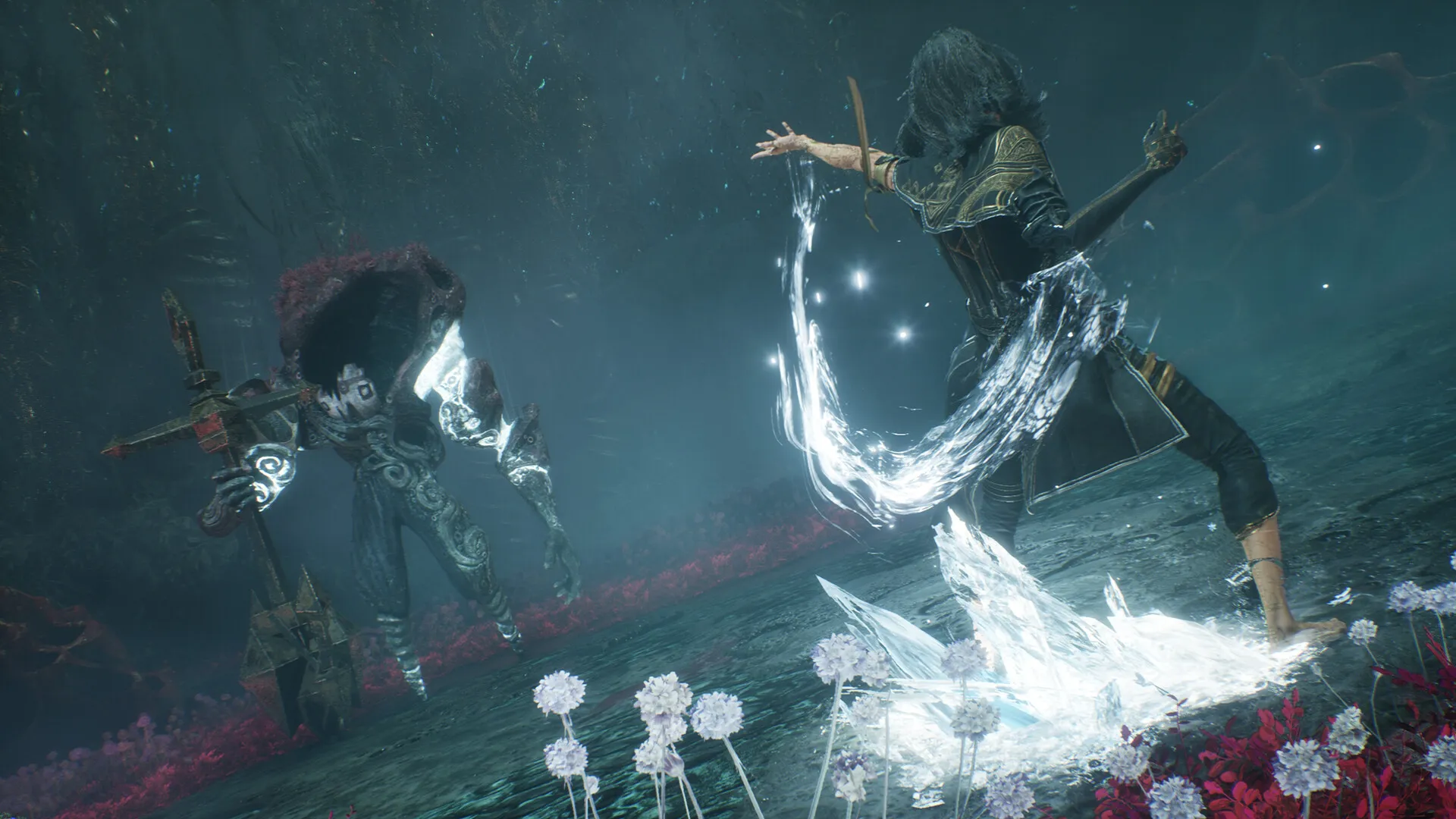
Turn-based systems traditionally reward patience and calculation.
In Clair Obscur, they instead reinforce inevitability by slowing time and forcing players to dwell on consequences.
Deliberate pacing
Each turn becomes a moment of reflection rather than pure optimization.
3. Limited Victory and the Absence of True Progress
Winning battles does not reverse the countdown.
Experience and upgrades feel temporary, almost ironic, in the face of narrative erasure.
Progress without salvation
Growth exists, but it does not promise survival.
4. Enemy Design as Symbolic Opposition
Enemies are not simply obstacles.
They often represent decay, memory loss, or repetition, mirroring the Paintress’s function.
Symbolic combat
Fights serve narrative resonance more than mechanical escalation.
5. Resource Management as Moral Pressure
Healing items and abilities are finite.
Using them feels like delaying the inevitable at a personal cost.
Deferred loss
Conservation becomes an emotional choice, not a tactical one.
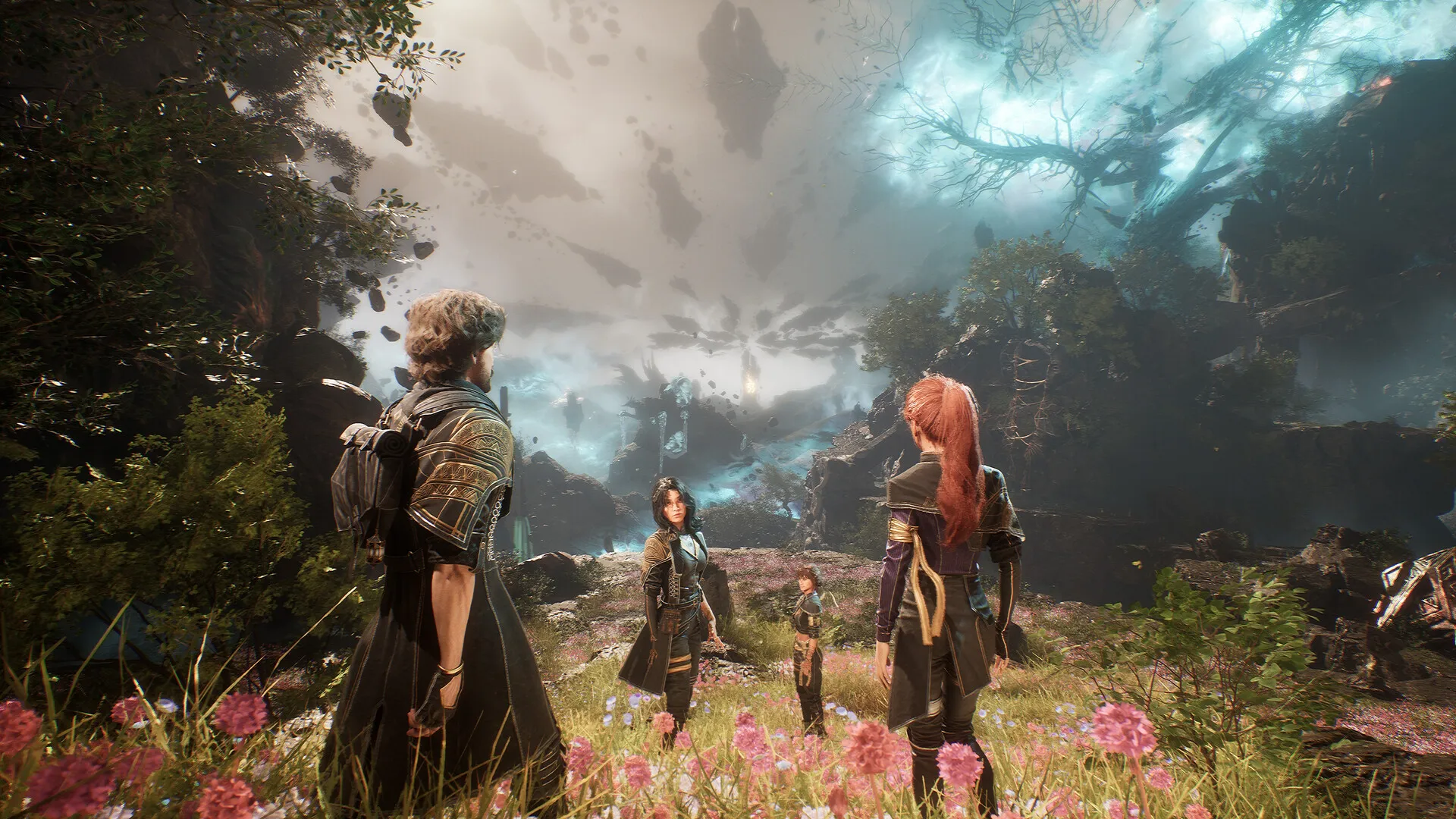
6. Party Composition and the Fear of Attachment
Characters are deeply humanized.
Knowing their fate makes optimization emotionally uncomfortable.
Strategic detachment
Players are encouraged to care, yet punished for it emotionally.
7. Animation and Stillness as Emotional Weight
Combat animations linger.
Pauses between actions allow dread to surface.
Weaponized silence
Stillness amplifies the gravity of every choice.
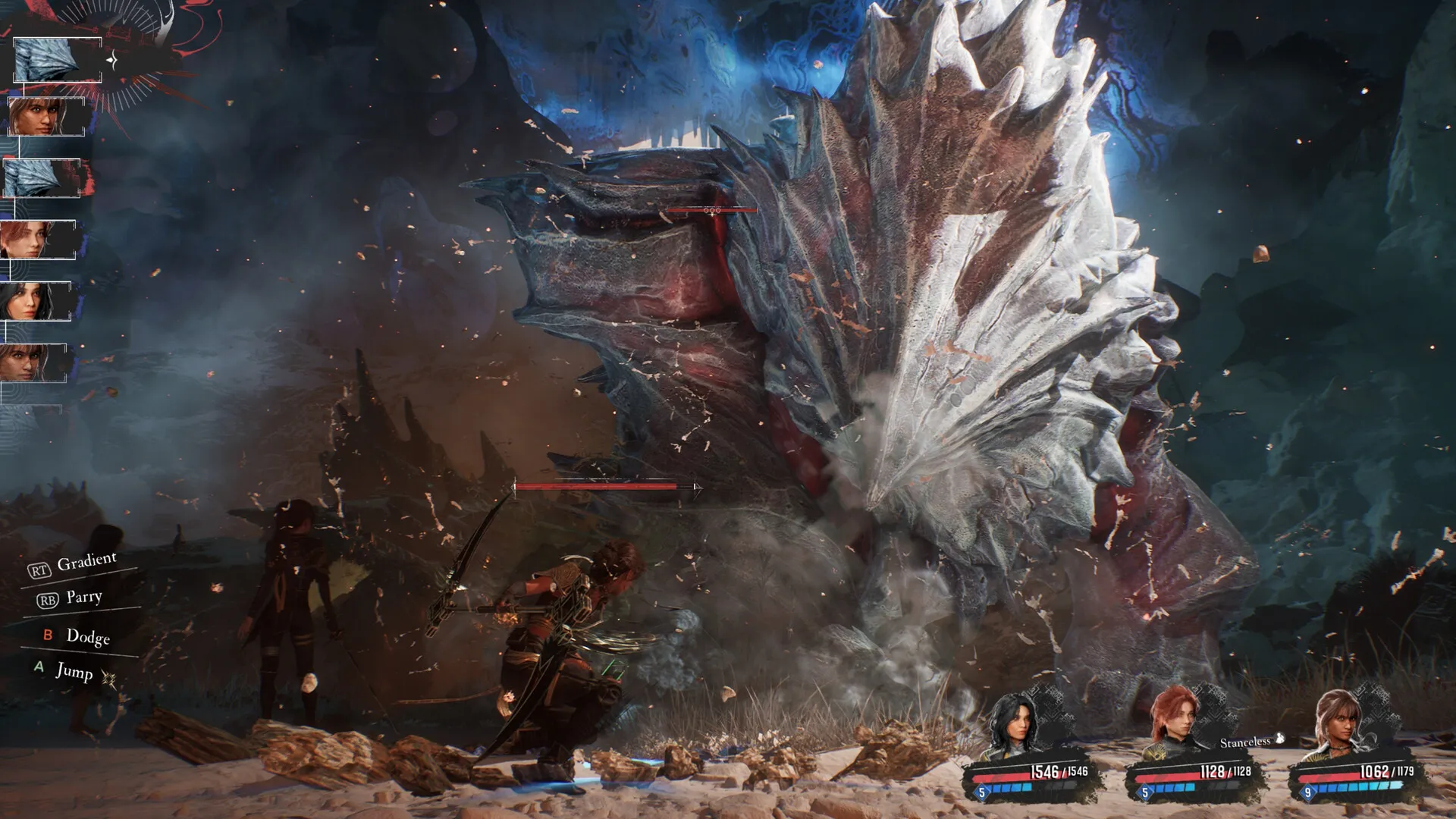
8. Boss Encounters as Temporal Checkpoints
Bosses do not mark triumph.
They mark time passed and opportunities lost.
Milestones of erosion
Each major victory reinforces narrative decay.
9. Difficulty as Existential Endurance
The game rarely overwhelms mechanically.
Instead, it exhausts emotionally through repetition and inevitability.
Psychological difficulty curve
Fatigue replaces frustration as the primary obstacle.
10. Why Turn-Based Combat Was Essential
Real-time combat would dilute reflection.
Turn-based structure forces confrontation with inevitability.
Clair Obscur uses slowness as its sharpest weapon.
Conclusion
Clair Obscur: Expedition 33 redefines what turn-based combat can communicate. By binding mechanics to a narrative countdown that cannot be undone, the game transforms every encounter into an act of defiance rather than a step toward victory. Combat becomes a ritual of resistance against erasure, meaningful precisely because it cannot ultimately succeed. In doing so, Clair Obscur elevates turn-based systems beyond strategy, turning them into an emotional framework for confronting impermanence, loss, and the limits of agency.