




Among the many systems in Sky: Children of the Light, few create as much emotional tension—and long-term behavioral impact—as Seasonal Quests. These limited-time storylines appear simple on the surface: complete tasks, earn Seasonal Candles, unlock expressions. Yet underneath this calm façade lies a complex interplay of urgency, fear of missing out (FOMO), meaningful storytelling, and mechanical pressure that affects how players move, act, and connect with others. This article explores this issue in depth, examining how Seasonal Quests subtly reshape the way players experience Sky, for better and for worse.
1.Seasonal Quests as Time-Bound Motivation
Seasonal Quests operate on a fixed schedule. This ticking clock instantly changes how players prioritize their gameplay, often pushing them to act in a way very different from their usual, more relaxed style.
Shifts in Player Psychology
The knowledge that a season will end—and that its content may become harder to access later—creates an emotional urgency. This urgency is not accidental. It’s designed to motivate consistent daily engagement, but it also influences the player’s perception of time spent in the world.
The Pressure of Daily Tasks
Most players find themselves adjusting their schedules to accommodate daily seasonal activities. The cycle becomes routine: log in, farm candles, complete quests, prepare for the next reset. This sense of ritual is powerful, but it also imposes a structure that can feel restrictive.
2.How Seasonal Stories Influence Exploration Behavior
Seasonal content is tied to specific maps, altering how players choose where to travel in a play session.
Paths Dictated by Quest Locations
When a quest requires traveling to a specific realm, players tend to follow the same route repeatedly. Over time, the organic joy of wandering is replaced by a checklist-driven routine.
Reduced Spontaneity
Sky thrives on moments of unplanned beauty—meeting strangers, discovering hidden corners. Seasonal Quests, however, can unintentionally limit the time players spend exploring freely.
3.The Role of NPC Spirits in Emotional Engagement
Seasonal Spirits serve as both quest givers and emotional anchors for the story.
Characters as Emotional Guides
Each spirit’s memory offers more than gameplay rewards; it offers emotional arcs. Players often feel compelled to complete quests not just for currency, but to honor the spirit’s journey.
Humanizing Game Objectives
Because spirits embody relatable emotions—regret, hope, joy—the tasks assigned by them feel more meaningful, which amplifies the impact of missing or completing seasonal content.
4.The Reward Structure and the FOMO Cycle
Seasonal items are some of the most beloved cosmetics in Sky. Their exclusivity fuels strong emotional reactions.
Unrepeatable Items and Player Stress
Knowing an item might not return for years increases the pressure to complete quests. This mechanic drives engagement but can also cause burnout.
Layers of Currency
Seasonal Candles, Regular Candles, Hearts, and Ascended Candles complicate progress. When combined with limited time, this creates a high-stakes environment for completionists.

5.Social Expectations and the Burden of Togetherness
Sky is built on cooperation. Seasonal Quests intensify this dynamic, sometimes in unexpected ways.
Group-Dependent Tasks
Certain quests require synchronized actions or multi-player mechanics. Players without friends online may feel anxious or left out.
Emotional Labor in Helping Others
Veteran players often feel obligated to guide newcomers through seasonal tasks. This responsibility strengthens community bonds but can become emotionally taxing.
6.How Seasonal Quests Alter New Player Experiences
New players entering during an active season face a very different game than veteran players.
Complexity Overload
Daily quests, maps, currencies, and story expectations can overwhelm new players, shifting their focus away from the core beauty of Sky.
Early Game Pressure
Instead of absorbing the environment, many new players rush toward seasonal objectives, inadvertently skipping foundational experiences like lighting every winged light or understanding realm lore.
7.The Interplay Between Seasonal Quests and In-Game Economy
Seasonal progression is deeply tied to Sky’s larger resource economy, especially Candles.
Candle Farming Becomes Mandatory
Because seasonal rewards require significant currency, players often dedicate large chunks of time to repetitive candle-farming routes.
Market-Like Behavior
Players subconsciously calculate “time value” in candles—deciding whether certain seasonal cosmetics are “worth” their time investment.
8.How Seasonal Quests Encourage or Limit Creativity
Sky is well-loved for its expressive freedom—music, emotes, cosmetics, gliding. Seasonal tasks reshape how much freedom a player actually has during a season.
Quests as Structural Constraints
Many quests require specific actions or visiting specific locations, limiting the time available for players to try unique activities like music performances or sky races.
Creativity Returns Post-Season
Players often report feeling freer to experiment after a season ends. The psychological weight lifts, allowing them to re-experience the world on their own terms.
9.Community Rituals and Seasonal Culture Formation
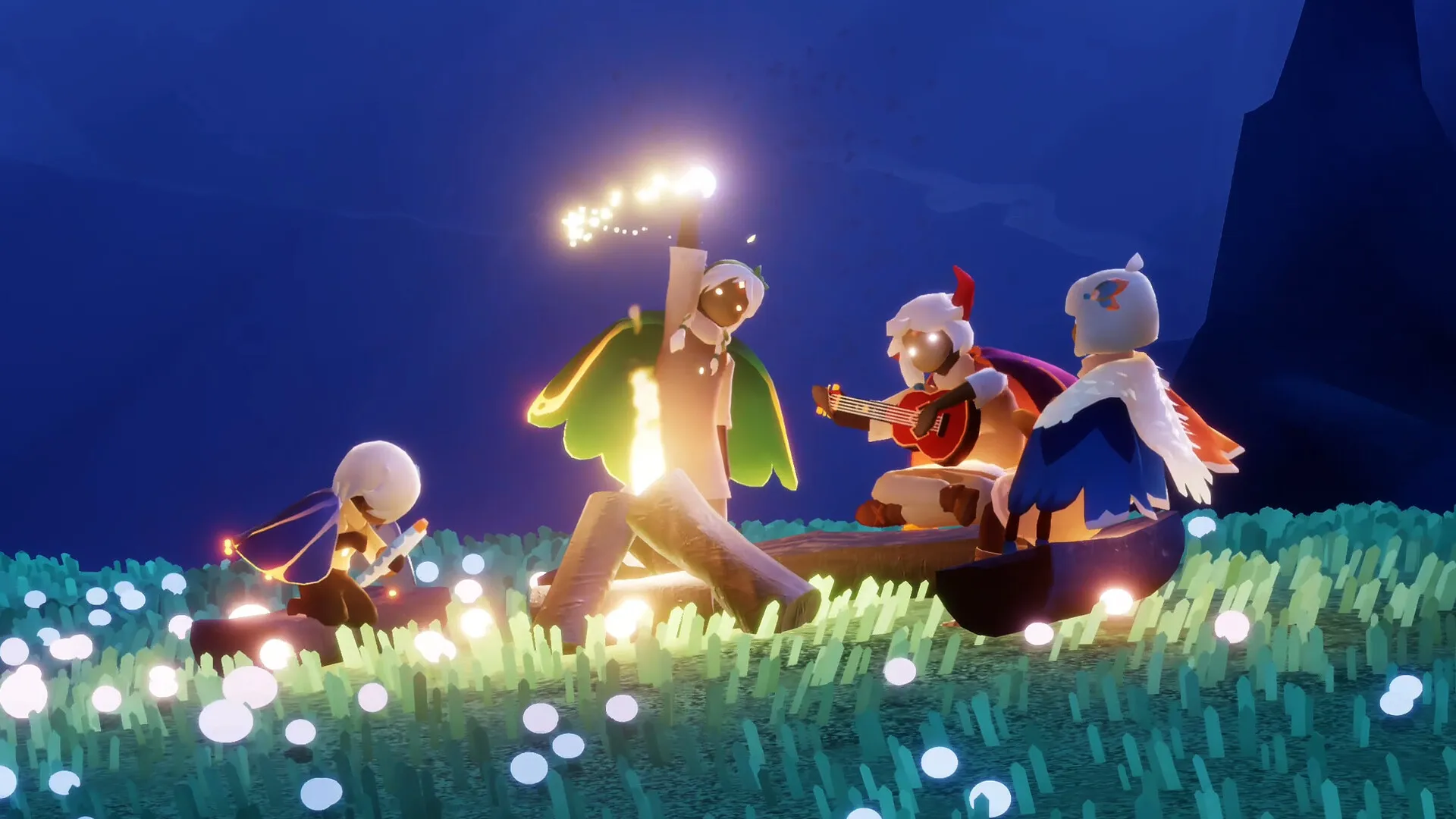
Every season develops its own community culture: shared jokes, speedrun strategies, candle-run patterns.
Repeated Rituals
Players gather in the same places, before the same resets, to complete quests together. Over time, these routines become part of Sky’s cultural identity.
Seasonal Collective Memory
Sky’s player base often reminisces about “that one season,” creating emotional nostalgia that extends beyond the actual content.
10.The Post-Season Aftermath and Emotional Relief
When a season ends, player behavior shifts again.
A Breath of Fresh Air
The removal of daily obligations feels liberating. Many players take breaks or return to free exploration.
Lingering Regret or Satisfaction
Players who completed everything feel accomplished. Those who missed items may feel regret—another intentional design outcome that influences future seasonal engagement.
Seasonal Quests in Sky: Children of the Light are far more than temporary activities. They reshape how players explore, interact socially, farm resources, and emotionally connect with the world. While they create beautiful memories and emotional stories, they also impose pressures—both subtle and overt—that shift player behavior away from Sky’s serene core experience. Understanding this dynamic reveals how deeply seasonal design influences the entire rhythm of Sky and the emotional lives of its players.