.webp)


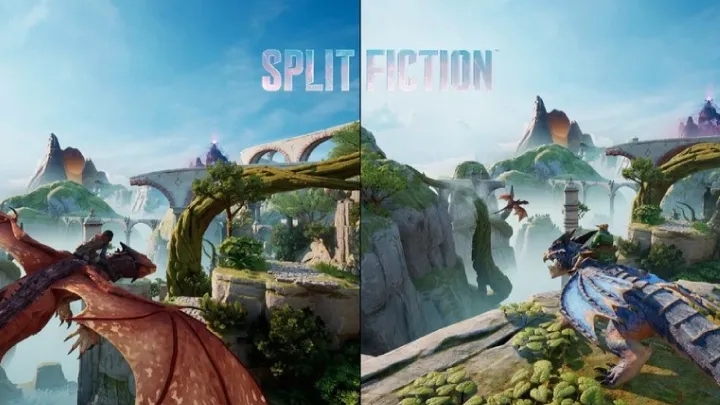
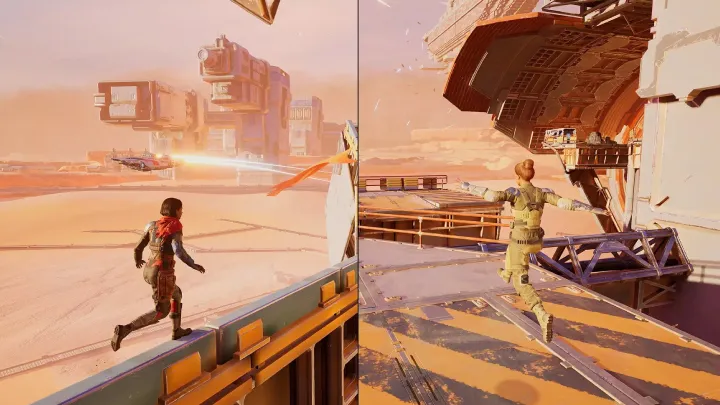
In the ever-evolving realm of video gaming, few titles have managed to captivate an audience with the same fervor as *Split Fiction*. Developed by the innovative studio Kaleidoscope Games, this unique narrative-driven action-adventure game has garnered significant attention for its ambitious storytelling approach. Central to the game's design is the issue of narrative cohesion in a non-linear universe—an element that can profoundly influence player immersion and satisfaction. This article will delve deep into the complexities surrounding this issue, exploring how *Split Fiction* navigates the balance between player choice and overarching narrative, and the resulting impacts on gameplay experience.</p>
The Vision Behind Split Fiction
To understand the challenges faced in maintaining narrative cohesion in Split Fiction, one must first comprehend the creative vision that shaped its development. The game embraces a plethora of storytelling techniques that allow players to interact with the narrative on multiple levels.
A Fragmented Narrative Structure
Split Fiction utilizes a fragmented narrative structure, pushing the boundaries of traditional storytelling. Players find themselves traversing multiple timelines and realities, each offering a unique perspective on the protagonist's journey. This structure invites players to piece together the larger narrative puzzle, enhancing engagement through exploration and discovery.
Themes of Duality and Consequence
At the core of Split Fiction lies a narrative steeped in themes of duality and consequence. These elements play a significant role in crafting an experience that feels both personal and expansive. Each player’s choices ripple through the narrative, presenting a moral complexity that reflects the multifaceted nature of human experience. However, this ambitious scope raises the critical question: how does the game ensure coherence in such a dispersed storyline?
The Mechanics of Player Choice
Player choice is a fundamental element of Split Fiction, empowering players to navigate the narrative in a manner that feels unique to them. However, the very nature of these choices can pose challenges for maintaining narrative clarity.
Multiple Paths and Endings
The game is designed with multiple paths, leading to diverse endings based on player decisions. While this flexibility is exciting, it also creates a risk of overwhelming players with too many options.
The Paradox of Choice
The paradox of choice suggests that too many options can lead to dissatisfaction. In the context of Split Fiction, players may feel a sense of pressure to make the “right” choice, which can detract from the enjoyment of exploration. Balancing player agency with narrative clarity becomes crucial in ensuring a satisfying experience.
Consequence Awareness
Split Fiction endeavors to make players acutely aware of the consequences of their choices. Each decision influences both the narrative arc and character relationships, creating a rich tapestry of outcomes. However, this complexity can complicate the player’s understanding of the storyline, leading to potential narrative fragmentation.
The Importance of Character Development
Character development is pivotal in grounding the sprawling narrative of Split Fiction. The game's protagonists and antagonists must be fully realized for players to connect emotionally and understand the weight of their choices.
Building Relatable Characters
Split Fiction has made significant strides in offering players diverse and relatable characters whose motivations resonate with the themes of duality and consequence. By presenting rich backstories and evolving arcs, the game invites players to invest emotionally.
The Challenge of Characterization
However, with the non-linear structure, consistent characterization emerges as a challenge. As players jump between timelines and realities, maintaining a coherent sense of character development can be tricky. If players encounter discrepancies in character motivations or personality traits, it can detract from immersion and overall narrative cohesion.
The Impact of World-Building
World-building is a cornerstone of Split Fiction, contributing to the game's overall narrative experience. A richly developed world can enhance immersion, but it also comes with its own set of challenges.
Crafting a Multi-Faceted Universe
Split Fiction excels in creating a dynamic universe filled with intricate lore and vivid settings. Players are encouraged to explore various locations, each brimming with details that contribute to the overarching narrative. This depth invites players to lose themselves in the game.
The Dangers of Overworlding
However, an expansive world can also lead to a phenomenon known as “overworlding”—where excessive world-building can result in confusion. If players struggle to connect the dots between timelines and locations, it may hamper their ability to follow the narrative effectively.
Navigating Time Manipulation
Time manipulation serves as a pivotal gameplay mechanic in Split Fiction, allowing players to alter events and timelines. While this feature can be exhilarating, it presents unique complications for narrative coherence.
The Mechanics of Time Shifts
Players can engage in time shifts to alter outcomes and influence character decisions. These mechanics are designed to empower players to experience the narrative from various perspectives, enriching the gameplay experience.
Balancing Time Manipulation with Narrative Clarity
The challenge lies in balancing the excitement of time manipulation with the need for narrative clarity. Frequent shifts can lead to disorientation, pulling players out of the emotional stakes of the story. Careful consideration is essential to avoid overwhelming players with temporal complexities.
Player Feedback and Iterative Development
Recognizing and addressing player feedback is vital in refining the narrative experience within Split Fiction. The development team must remain responsive to the community to ensure ongoing engagement.
The Role of Community Feedback
Kaleidoscope Games has established channels for player feedback, allowing the community to voice concerns and suggestions regarding narrative cohesion. Listening to the player base can illuminate areas that require refinement and enhancement.
Implementing Feedback into the Narrative
Iterative development becomes essential as the team strives to address player concerns regarding story clarity. Adjustments might include revising dialogue, enhancing character arcs, or fine-tuning narrative prompts to clarify the impact of player choices.
Future Directions for Narrative Cohesion
As Split Fiction evolves, the developers must continue to explore avenues for enhancing narrative cohesion in a non-linear format.
Expanding on Narrative Themes
Kaleidoscope Games could benefit from further expanding on the central themes of duality and consequence, adding layers that would make the narrative resonate more profoundly with players. This includes integrating deeper philosophical inquiries that challenge players to reflect on their choices.
Emphasizing Visual Storytelling
Improving visual storytelling techniques can also provide players with additional context for understanding the narrative. Incorporating cinematic elements or enhanced cutscenes that emphasize key moments can help in conveying narrative shifts more clearly.
Conclusion: A Balancing Act of Storytelling
In conclusion, Split Fiction represents both a remarkable achievement and a complex challenge in the realm of narrative-driven gaming. The intricacies of maintaining narrative cohesion within a non-linear universe underscore the tension between player choice and overarching storyline.
While the game offers a rich tapestry of characters and world-building, the developers must remain vigilant in addressing narrative clarity. Continuous engagement with the player community and an emphasis on iterative development will be vital in ensuring Split Fiction lives up to its ambitious vision, offering players a cohesive, immersive experience that resonates long after the credits roll.