.webp)








Popular Now

Slay the Spire rewards planning, not gambling.
- Avoid chasing perfect combo decks
- Value stable damage and block
- Reduce unnecessary randomness
- Plan several turns ahead
- Surviving consistently matters more than flashy wins
Stable decision-making leads to deeper runs.
2. Build a Focused Deck, Not a Large One
Smaller decks perform better.
- Skip cards when they don’t fit your plan
- Remove weak starter cards early
- Avoid adding cards “just in case”
- Focus on a clear win condition
- Quality always beats quantity
A clean deck draws answers faster.
3. Choose Cards Based on Upcoming Threats
Context matters more than raw power.
- Pick AoE before multi-enemy fights
- Prioritize block before elite-heavy paths
- Add scaling damage for bosses
- Adapt choices to Act-specific enemies
- Avoid autopicking “strong” cards
Smart adaptation prevents sudden run deaths.
4. Learn Enemy Intents and Attack Patterns
Information is your biggest advantage.
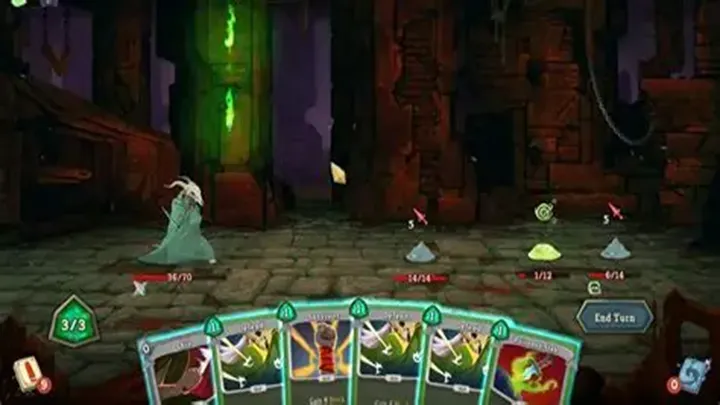
- Always read enemy intent icons
- Memorize common damage ranges
- Plan blocks precisely, not excessively
- Exploit enemy downtime turns
- Avoid panic reactions
Predicting enemies saves HP over time.
5. Manage Health as a Resource
HP is meant to be spent—carefully.
- Take small damage to gain tempo
- Avoid unnecessary resting
- Heal only when survival is threatened
- Use HP to secure elites and relics
- Never waste health on bad fights
Efficient HP usage accelerates progression.
6. Prioritize Relics That Support Your Strategy
Relics define runs.
- Choose relics that enhance your deck plan
- Avoid relics that create conflicts
- Value energy relics carefully
- Consider long-term impact, not immediate gain
- Build around relic synergies
Relics often matter more than cards.
7. Plan Your Map Path Before Moving
Pathing decisions shape success.
- Balance elites, campfires, and shops
- Avoid overloading elite fights early
- Secure upgrades before difficult acts
- Plan for boss preparation
- Adjust pathing if the deck is weak
Smart routing reduces run volatility.
8. Use Potions Proactively, Not Emotionally
Unused potions are wasted power.
- Use potions to secure elite fights
- Don’t save potions “for later”
- Replace potions regularly
- Combine potions for boss fights
- Treat potions as temporary relics
Potions turn losing fights into winning ones.
9. Upgrade the Right Cards First
Not all upgrades are equal.
- Upgrade scaling cards early
- Improve block efficiency
- Reduce energy costs when possible
- Skip low-impact upgrades
- Match upgrades to upcoming threats
Correct upgrades smooth out difficulty spikes.
10. Stay Patient and Learn From Each Run
Improvement comes from reflection.
- Review why runs failed
- Identify greedy decisions
- Notice poor deck discipline
- Adjust strategy next run
- Accept losses as learning tools
Consistent players progress the furthest.
Final Thoughts
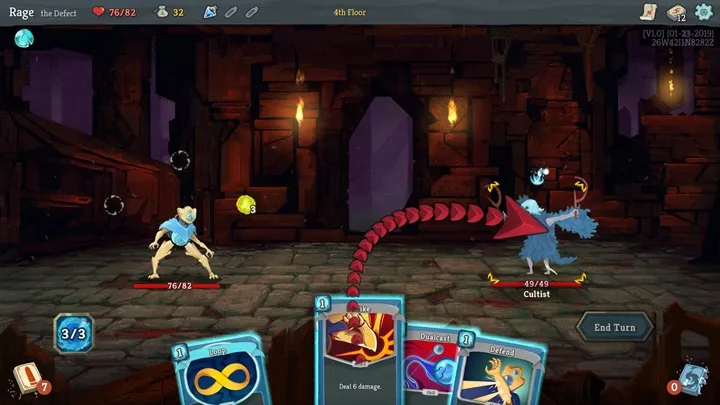
Slay the Spire is a game of discipline, foresight, and controlled decision-making. By building focused decks, managing health and resources wisely, reading enemy intent, and planning each run carefully, players can steadily improve and achieve more consistent victories.
Mastery comes not from luck, but from understanding the system and respecting its risks.