

Introduction
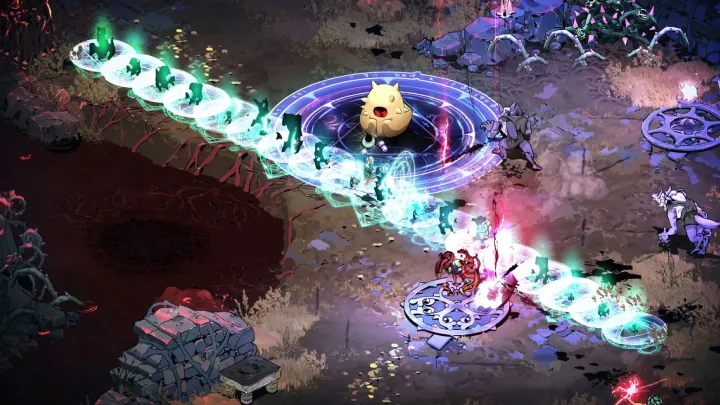
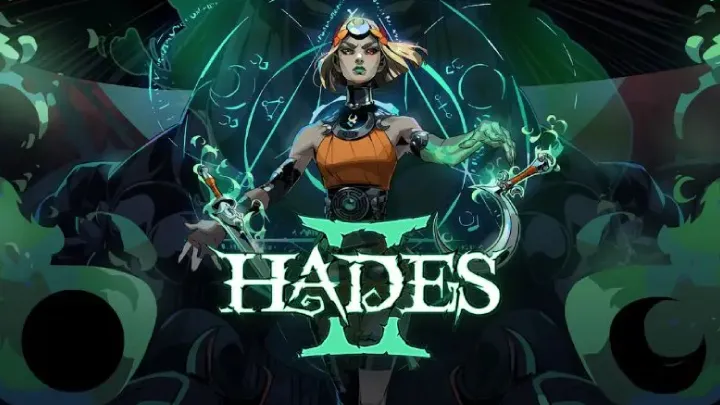
Since its early access release, Hades II has been widely praised for expanding upon the tight, addictive loop of its predecessor. New weapons, new gods, and a fresh protagonist in Melinoë bring novelty, while the core roguelike formula remains intact. However, beneath this polished surface lies a subtle but increasingly disruptive issue: resource inflation. What begins as a satisfying progression system gradually transforms into a design imbalance that undermines tension, pacing, and long-term engagement.
This article explores how resource inflation emerges in Hades II, why it matters, and how it affects the player experience over time. Rather than a general overview, we’ll focus specifically on how the abundance of materials and upgrades dilutes difficulty and decision-making—two pillars that made the original game exceptional.
The Early Game: Scarcity as a Design Strength
Meaningful Choices Under Constraint
In the first few hours of Hades II, resources such as Ash, Psyche, and Nectar are scarce. Every decision—whether to unlock a new Arcana card or upgrade an existing one—feels weighty. Players are forced to prioritize, creating a natural sense of tension and investment.
Why Scarcity Works
- Encourages experimentation within limits
- Forces trade-offs between short-term survival and long-term growth
- Builds emotional attachment to upgrades
This phase mirrors the original Hades, where each resource carried strategic value. However, this balance doesn’t last long.
Midgame Expansion: The Floodgates Open
Exponential Resource Gain
As players progress, resource acquisition accelerates dramatically. Improved tools, better boons, and more efficient farming routes lead to exponential gains. What once took multiple runs can now be achieved in one.
This shift begins to erode the sense of scarcity. Instead of carefully choosing upgrades, players can often unlock multiple systems simultaneously without meaningful sacrifice.
System Overlap
Multiple progression systems—Arcana, weapon aspects, incantations—compete for relevance. Instead of complementing each other, they stack in ways that reduce friction.
The Arcana System: Power Without Trade-offs
Too Many Active Bonuses
The Arcana system is one of Hades II's defining features, offering passive buffs that shape each run. Initially, players must carefully manage Grasp to select which cards to equip.
However, as Grasp increases, the limitation becomes negligible. Players can eventually equip most, if not all, impactful cards, eliminating the need for strategic selection.
Design Consequences
- Reduced build diversity
- Less experimentation
- Predictable outcomes
Boon Synergy: From Creative Builds to Overpowered Loops
Stacking Without Limits
God boons remain a highlight, but their interaction with inflated player power creates imbalance. When combined with fully upgraded Arcana and weapons, certain builds become overwhelmingly strong.
Instead of discovering synergies, players often default to known optimal paths, reducing replayability.
The Death of Risk
In a roguelike, risk is essential. But when players can reliably overpower encounters, the tension that drives engagement fades.
Resource Redundancy: When Materials Lose Meaning
Too Much of Everything
By the mid-to-late game, players accumulate large quantities of resources with limited use. Ash, Bones, and other materials begin to pile up with no immediate purpose.
This creates a psychological disconnect—players continue collecting resources, but the rewards feel hollow.
Symptoms of Redundancy
- Stockpiling without spending
- Lack of excitement upon discovery
- Diminished incentive to explore
Difficulty Scaling: A Losing Battle
Enemies Can’t Keep Up
Enemy difficulty does increase over time, but not at the same rate as player power. This creates a widening gap where combat becomes easier rather than more challenging.
Even bosses—traditionally the peak of tension—can feel trivial once players reach a certain level of optimization.
Artificial Difficulty vs. Organic Challenge
Attempts to compensate often result in artificial difficulty spikes rather than meaningful challenge, which can feel frustrating rather than engaging.
The Role of Farming: Optimization Over Exploration
Efficiency Becomes the Goal
As resource inflation sets in, players shift their focus from exploration to optimization. The goal is no longer to experiment with builds, but to maximize efficiency per run.
This mindset transforms the game from a dynamic roguelike into a repetitive farming loop.
Behavioral Shift
- Skipping optional encounters
- Prioritizing known resource routes
- Ignoring narrative elements
Narrative Impact: Progression Outpaces Story
Story Beats Lose Weight
Hades II is known for its rich storytelling, but rapid progression can outpace narrative delivery. Players unlock dialogue and story elements faster than they can meaningfully absorb them.
This reduces emotional impact and weakens character development.
Disconnected Experience
When gameplay progression and narrative pacing are misaligned, the overall experience feels fragmented.
Long-Term Engagement: The Burnout Effect
Too Much, Too Fast
Resource inflation accelerates progression to the point where players reach “endgame” states quickly. Without meaningful goals, motivation declines.
What initially feels rewarding becomes exhausting, leading to burnout.
Signs of Burnout
- Reduced playtime
- Loss of interest in upgrades
- Decreased experimentation
Potential Solutions: Restoring Balance
Reintroducing Scarcity
One solution is to rebalance resource acquisition, slowing progression and restoring meaningful choices. This could involve:
- Increasing upgrade costs
- Limiting resource drops
- Introducing new sinks for excess materials
Dynamic Scaling Systems
Another approach is to scale difficulty dynamically based on player progression. This ensures that increased power is met with appropriate challenges.
Encouraging Specialization
Restricting the number of active upgrades could reintroduce strategic decision-making, forcing players to commit to specific builds rather than maximizing everything.
Conclusion
Hades II remains an exceptional game with a strong foundation, but its progression system risks undermining its core strengths. Resource inflation, while initially rewarding, gradually erodes the tension, strategy, and engagement that define a great roguelike. By addressing this issue, the game can preserve its depth and longevity, ensuring that each run remains as thrilling as the first.