.webp)




Introduction
For years, Shyvana has existed as one of the most paradoxical champions in League of Legends. Designed as a hybrid between a relentless dragon and a fast-clearing jungler, she has struggled to maintain a consistent identity across multiple metas. With Riot Games announcing and iterating on a long-awaited Shyvana rework, the community finds itself divided between excitement and concern.
This article explores the Shyvana rework not from a surface-level perspective, but through a deep analysis of its core issue: identity fragmentation. We will examine how past design decisions led to her current state, what the rework aims to fix, and whether it truly solves the long-standing problems tied to her gameplay, scaling, and player expectations.
1. Shyvana’s Original Design Philosophy
When Shyvana was first introduced, she was meant to embody a unique archetype: a champion without mana who relied purely on aggression and tempo. Her gameplay revolved around fast jungle clears, sustained damage, and transforming into a dragon during fights.
However, even in her early iterations, there was a lack of clarity in her role. Was she a bruiser, a tank, or a damage dealer? This ambiguity would later become the foundation of her problems.
A Champion Without a Clear Lane
Unlike other junglers, Shyvana lacked reliable crowd control, making her dependent on farm rather than ganks.
Early Strengths and Weaknesses
- Extremely fast jungle clear speed
- Weak early gank potential
- Heavy reliance on item scaling
 2. The Rise of AP Shyvana and Identity Collapse
One of the most controversial phases in Shyvana’s history was the rise of AP (Ability Power) builds. Instead of functioning as a bruiser, she became a poke mage relying on her dragon-form fireball.
This shift fundamentally changed how players perceived her, creating a disconnect between intended design and actual gameplay.
Why AP Shyvana Became Popular
The burst damage from her E ability in dragon form scaled extremely well with AP, allowing players to deal massive damage from a safe distance.
Consequences of the AP Playstyle
- Reduced interaction in fights
- Increased frustration for opponents
- Loss of bruiser identity
3. Community Expectations vs Riot’s Vision
The Shyvana rework highlights a recurring tension in League of Legends: the gap between player expectations and developer intent.
Many players want Shyvana to remain a high-damage carry, while Riot aims to reinforce her identity as a dragon-themed bruiser.
The Identity Conflict
This disagreement creates challenges in balancing her kit.
Key Questions Raised
- Should Shyvana prioritize sustained damage or burst?
- How important is her dragon fantasy to gameplay?
- Can both AP and AD playstyles coexist?
4. Core Goals of the Shyvana Rework
Riot has outlined several goals for the rework, focusing on clarity, consistency, and thematic strength.
The aim is to make Shyvana feel more like a true dragon while maintaining gameplay balance.
Design Priorities
The rework emphasizes both visual and gameplay improvements.
Main Objectives
- Strengthen dragon transformation impact
- Reduce reliance on a single ability
- Improve early-game interaction
5. Reworking the Dragon Form Mechanic
Shyvana’s ultimate ability has always been central to her identity. However, its execution has often felt underwhelming outside of specific builds.
The rework aims to make her transformation more meaningful and consistent.
A More Impactful Transformation
Changes focus on making dragon form feel like a true power spike.
Expected Improvements
- Enhanced visual feedback
- Stronger ability interactions
- More strategic timing decisions
6. Addressing Early Game Weaknesses
One of Shyvana’s biggest issues has been her lack of early-game presence. Without reliable crowd control, she struggles to influence lanes.
The rework attempts to address this without making her overpowered.
Improving Jungle Interaction
Riot is exploring ways to make her early gameplay more engaging.
Potential Adjustments
- Minor crowd control additions
- Better mobility tools
- Increased early damage balance
7. Balancing AP and AD Playstyles
A key challenge of the rework is deciding whether to support multiple build paths or enforce a single identity.
AP Shyvana is popular but problematic, while AD bruiser builds align more with her theme.
The Dual Build Dilemma
Supporting both playstyles risks balance issues.
Possible Outcomes
- Limiting AP scaling
- Enhancing AD synergy
- Hybrid solutions with trade-offs
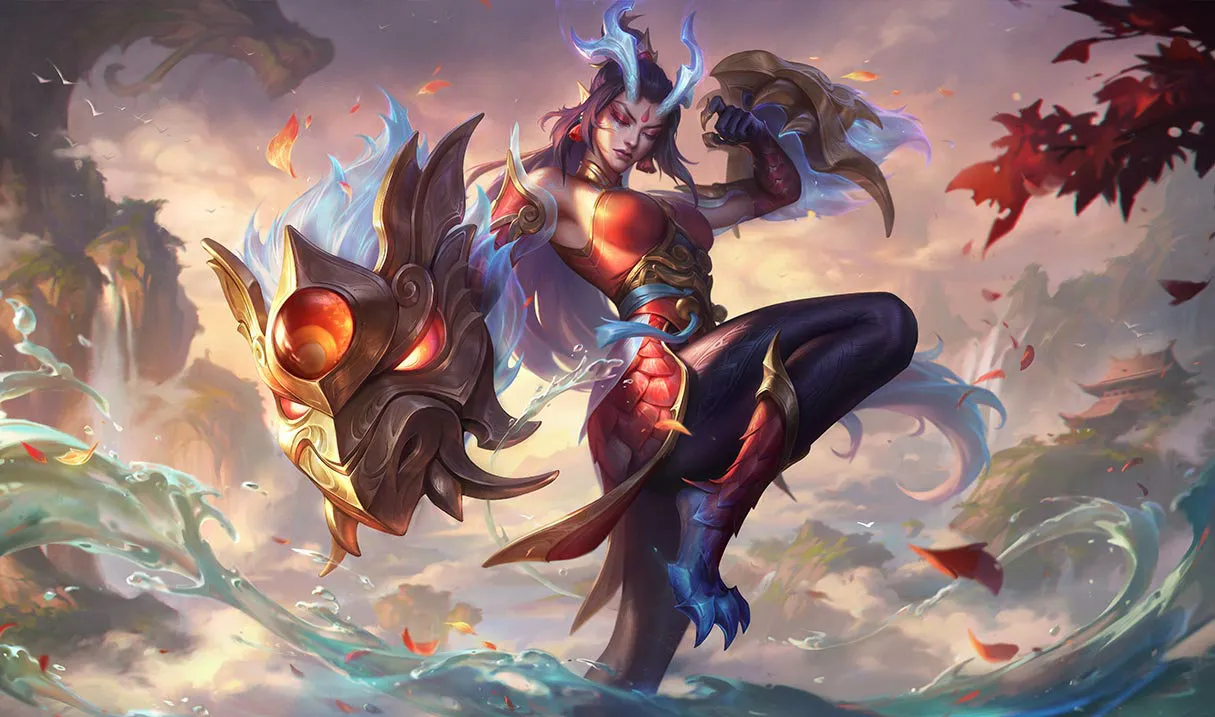 8. Visual and Thematic Enhancements
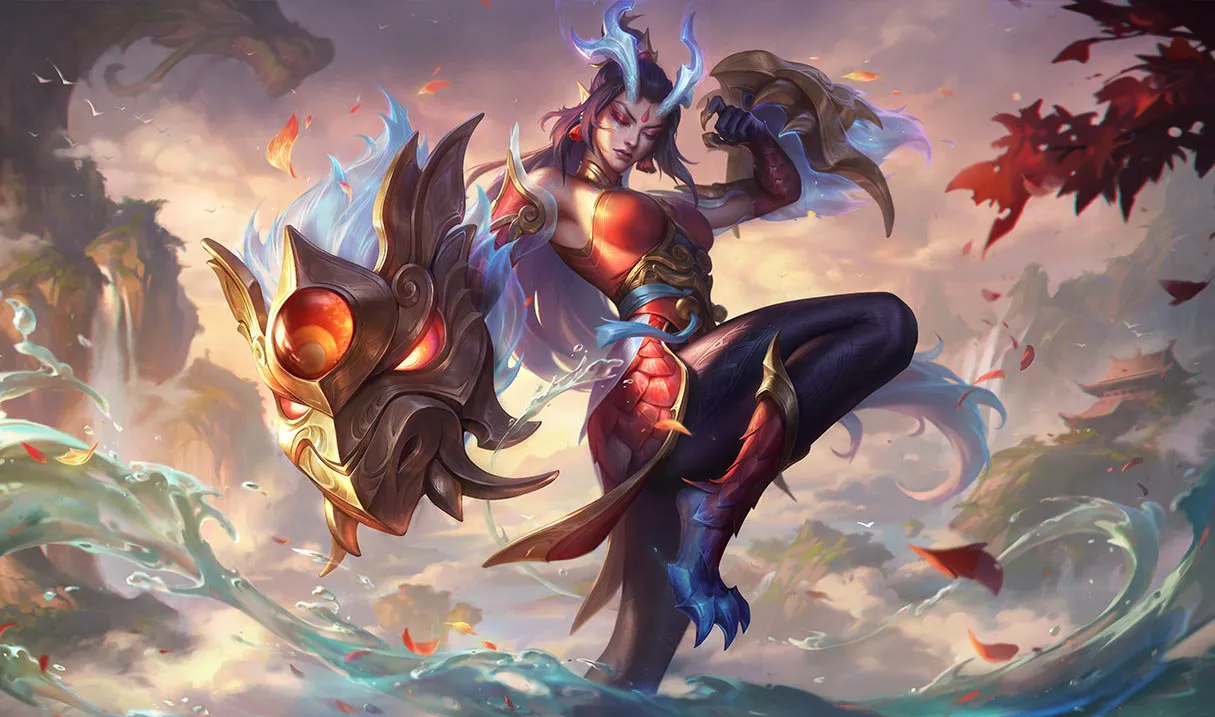
Beyond gameplay, the rework also focuses on Shyvana’s visuals and thematic consistency.
Her current design feels outdated compared to newer champions.
Modernizing the Half-Dragon Fantasy
The update aims to bring her visuals in line with modern standards.
Key Visual Changes
- Updated character model
- Improved animations
- Enhanced dragon form design
9. Impact on Jungle Meta
Shyvana’s rework will inevitably affect the jungle meta, especially if her early-game presence improves.
A stronger Shyvana could shift priorities in champion selection.
Meta Implications
Her changes may influence both solo queue and professional play.
Potential Meta Shifts
- Increased farming jungler viability
- Changes in objective control strategies
- New counterplay dynamics
10. Long-Term Sustainability of the Rework
The ultimate question is whether the rework will solve Shyvana’s long-standing issues or simply shift them.
Sustainability depends on how well Riot balances identity, gameplay, and player expectations.
Measuring Success
A successful rework must satisfy both new and veteran players.
Indicators of Success
- Consistent pick rate
- Reduced frustration levels
- Clear champion identity
Conclusion
The Shyvana rework represents more than just an update to an aging champion—it is a test of Riot Games’ ability to resolve deep-rooted design issues. By addressing her identity crisis, improving her gameplay flow, and enhancing her thematic presence, Riot aims to transform Shyvana into a champion that feels both modern and meaningful.
However, the success of this rework will ultimately depend on execution. Balancing player expectations with design goals is no easy task, and Shyvana’s history shows how quickly things can go off course. If done right, this rework could serve as a blueprint for future champion updates in League of Legends.