






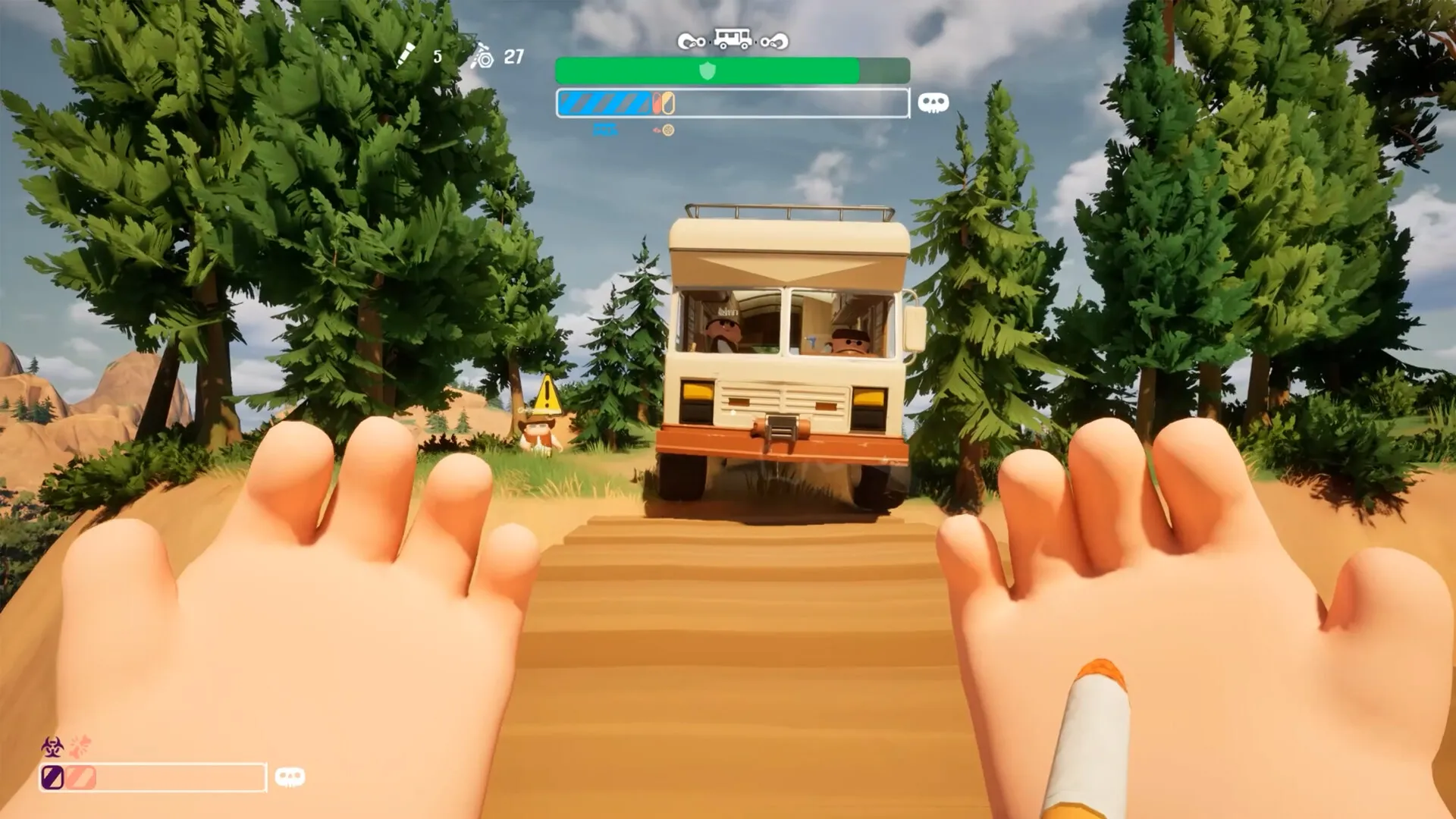
RV There Yet? is a quirky, comedic, adventure-driven game about managing chaos on the road. Part road trip simulator, part resource-management challenge, and part puzzle-driven family comedy, the game throws players into unpredictable situations where quick thinking and smart planning determine whether your trip becomes a wholesome memory—or a disaster you’ll be laughing about for years. Because every mile brings messes, breakdowns, arguments, unexpected events, and tight schedules, players must learn how to balance resources, manage stress, maintain the RV, and keep everyone happy.
This guide serves as the ultimate resource for improving your gameplay, mastering mechanics, and creating smooth and successful road trips through every region the game offers. With clear tips, structured learning, and practical strategies, you’ll be ready to optimize your route, manage chaos, and survive even the wildest detours.
1. Understanding the Core Mechanics of RV There Yet?
The foundation of RV There Yet? lies in multitasking: planning, driving, fixing issues, and managing passengers. Before learning advanced strategies, you must understand how the game measures success and failure.
Game Structure and Objectives
Each journey has an overarching goal—reach a destination within a given timeframe while keeping the family content and the RV operational. You must manage not only the vehicle’s health but also the emotional health of its passengers.
H3: Essential Resources
The game revolves around tracking:
- Fuel
- Food
- Mood
- Repair parts
- Energy
- Route progress
Balancing these systems is the key to avoiding breakdowns or meltdowns.
H4: Early Game Focus
Beginners should prioritize understanding how these systems interact. For example, ignoring mood leads to conflict events, while neglecting repairs can stop you mid-route.

2. Planning the Perfect Route Before Departure
Your route determines the difficulty of your journey. Some paths are smooth but long, while others are shorter but packed with hazards.
Choosing the Best Path
Study the map carefully before committing. Each region has unique environmental challenges such as desert overheating, snowy roads, flooding, or heavy traffic congestion.
H3: Route Planning Tips
- Avoid routes with consecutive hazard zones
- Take time to gather supplies at rest stops
- Prioritize paths with multiple repair shops if your RV is already damaged
H4: Advanced Scouting
Unlockable map insights and upgrades reveal hidden shortcuts and allow players to anticipate major events. Mastering route knowledge drastically reduces resource waste.
3. Keeping Your RV in Top Health at All Times
Maintaining the RV is essential. A fully functioning vehicle prevents delays, accidents, and emergency repairs.
Understanding RV Durability
Your RV has multiple systems that degrade over time, including the engine, tires, plumbing, and electrical components. Each system wears down faster in certain environments.
H3: Repair Priorities
Not all problems require immediate attention.
- Engine issues: fix immediately
- Tire wear: moderate urgency
- Plumbing/electrical: safe to delay unless mood is low
H4: Efficient Repair Management
Repair resources are limited. Save high-value materials for major breakdowns. Minor repairs can often be handled at rest stops for cheaper cost.
4. Managing Passengers and Preventing Meltdowns
Family management is one of the game’s funniest yet most challenging systems.
Mood and Behavior
Each passenger has unique preferences—music, snacks, rest, activities—and personal quirks that can trigger events. High stress leads to arguments, reduced progress, or even special penalty events.
H3: Reading Passenger Needs
Indicators show rising frustration. Address needs early by adjusting activities, switching drivers, or offering comfort items.
H4: Family Harmony Checklist
- Rotate seat assignments
- Keep snacks stocked
- Make frequent rest stops
- Choose radio stations that satisfy multiple people
5. Time, Energy, and Day-Night Cycle Mastery
The world of RV There Yet? runs on a time system that impacts difficulty and event frequency.
Time-Based Challenges
Driving at night increases hazard likelihood, reduces visibility, and raises passenger anxiety. Daytime driving allows faster progress with fewer events.
H3: Energy Management
Driving consumes energy from both the RV and characters. When energy runs low, mistakes increase and arguments spike.
H4: Scheduling Tips
- Drive longest stretches in morning hours
- Make camp before the fatigue threshold hits
- Never ignore warnings about driver exhaustion
6. Mastering Random Events and Crisis Handling
A major part of gameplay revolves around responding to unpredictable situations. Quick decisions matter.
Types of Random Events
Expect breakdowns, weather hazards, wildlife encounters, roadside strangers, resource theft, and family disagreements. Each event offers multiple choices that impact outcomes.
H3: Making the Best Decisions
Always evaluate risk vs reward. A scenic detour might boost morale but consume time and fuel. Helping strangers may reward you later.
H4: Event Response Tips
- Keep backup resources
- Use character skills (if the game includes them)
- Accept minor losses to prevent major disasters
- Save power-ups for high-risk regions
7. Resource Optimization and Inventory Strategy
Efficient resource use guarantees smoother trips, especially on longer routes.
Inventory Space
You cannot carry everything. Space limitations force you to prioritize essentials.
H3: Must-Have Items
- Extra fuel
- Tire patch kits
- First-aid supplies
- All-purpose snacks
- Toolkits
- Emergency blankets (for cold regions)
H4: Advanced Resource Management
Plan purchases based on upcoming terrain. Stock up on water for deserts, chains for snowy roads, and spare parts before mountain routes.
8. Driving Skills, Hazards, and Road Navigation
Your driving skill directly affects resource consumption and passenger satisfaction.
Learning to Handle Hazards
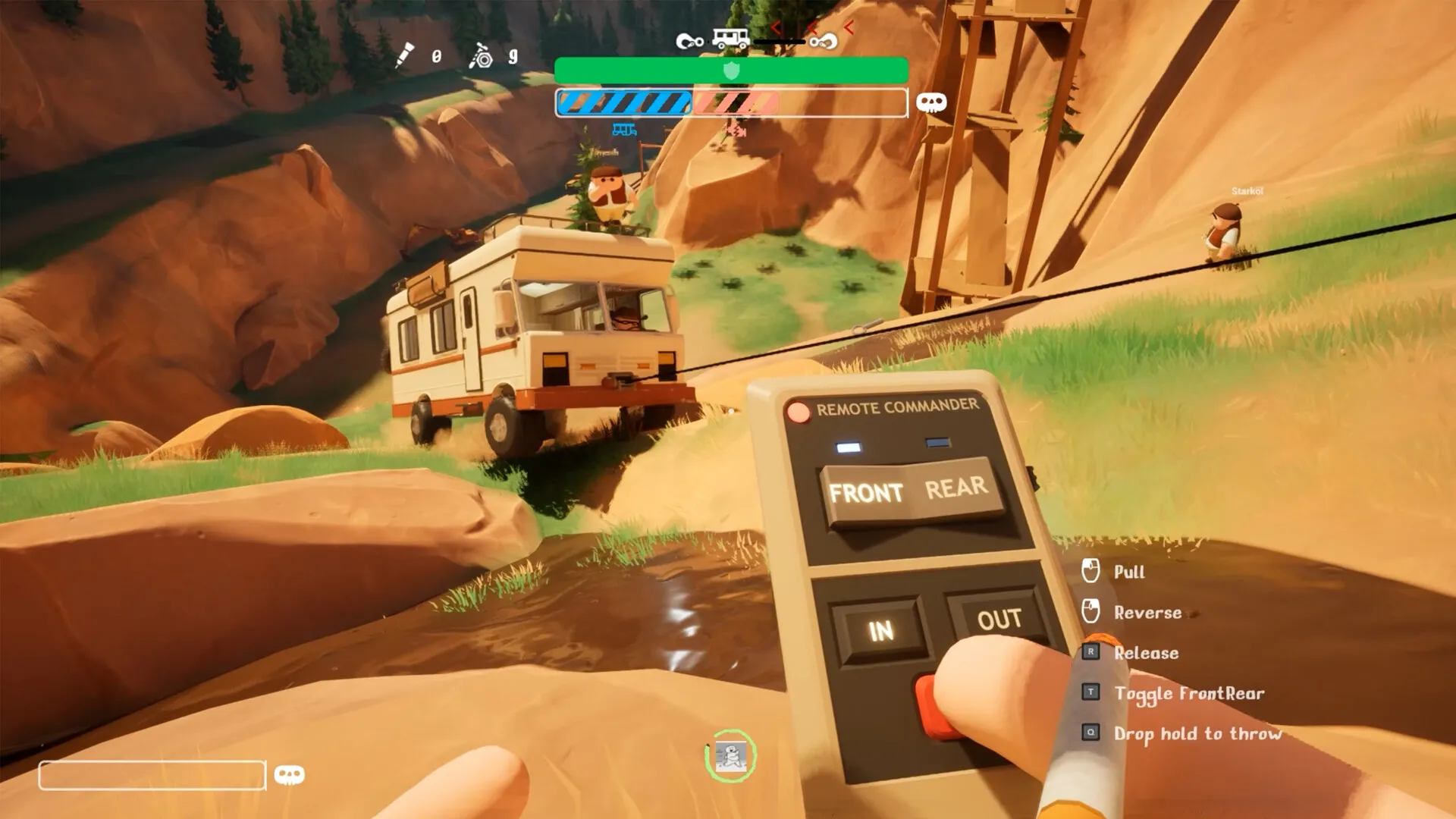
Each hazard type requires specific driving techniques. For example:
- Sharp turns require slower speeds
- Snow requires gentle steering
- Mud increases tire wear
H3: Improving Driving Technique
- Don’t speed through unknown areas
- Brake early during hazard warnings
- Adjust to passenger stress levels
H4: Hazard Avoidance List
- Avoid driving in heavy storms
- Stop before overheating thresholds
- Check tire status before slopes
9. Mid-Game and Late-Game Expert Strategies
Once you’ve mastered basic mechanics, advanced techniques become essential for high-difficulty journeys or challenge routes.
Mid-Game Approaches
Start specializing in character roles, optimizing routines, and memorizing event outcomes. By now, your resource efficiency should be strong.
Late-Game Mastery
The final regions introduce back-to-back events, tight time limits, and brutal environments. Only advanced players survive them consistently.
H3: Expert Player Tips
- Predict common event sequences
- Maintain maximum mood levels for bonuses
- Pre-repair the RV before major regions
H4: High-Level Management
Use risk stacking carefully—small gambles early can reduce big risks later. Learn how to manipulate route RNG patterns by understanding where most hazards appear.
10. Preparing for Long Journeys and Challenge Modes
Challenge modes introduce harder versions of the main game with stricter limits.
Extended Trip Preparation
Long trips require greater resource planning, supply management, and strategic route decisions. You must enter with a stockpile of essential items.
H3: Challenge Mode Tips
- Route planning must be precise
- Stockpile repair kits and fuel
- Keep morale full before entering harsh regions
- Reduce unnecessary stops
H4: Journey Survival Checklist
- Start mornings with a full tank
- Repair the RV before crossing desert/snow zones
- Maintain diverse snacks for passenger morale
- Always have backup water
Conclusion
RV There Yet? is chaotic, charming, and deeply strategic. Mastering the game requires understanding its core systems: route planning, resource management, passenger psychology, event handling, and driving technique. By balancing these mechanics, players can transform a disastrous family trip into a smooth, joyful adventure filled with funny moments and rewarding choices.
Through practice, smart decision-making, and long-term planning, you’ll learn how to keep the RV running, maintain family harmony, and conquer even the most challenging routes. Whether you’re tackling long journeys or mastering expert difficulty modes, the skills in this guide will help you enjoy every mile of the adventure—with fewer breakdowns and far more victories.