





MiSide is not a conventional horror game. At first glance, it appears cute, colorful, and harmless, but beneath its charming exterior lies a deeply unsettling psychological experience. MiSide blends visual novel storytelling, exploration, puzzle-solving, and horror elements into a unique journey that constantly breaks player expectations. The game rewards attention, emotional awareness, and curiosity rather than brute-force gameplay.
This comprehensive Tips & Guides article is designed to help players fully experience MiSide without missing important mechanics, story details, or hidden layers. Organized according to progression and narrative flow, this guide covers early survival tips, exploration strategies, puzzle logic, psychological horror mechanics, story interpretation, and late-game mastery. Whether you want to avoid mistakes, uncover secrets, or understand MiSide’s deeper meaning, this guide will walk you through everything you need to know.
H2 1. Understanding MiSide’s Core Design and Psychological Focus
MiSide is designed to make players feel comfortable before gradually unsettling them. Unlike traditional horror games that rely on constant threats, MiSide builds tension through atmosphere, narrative pacing, and emotional manipulation.
The game frequently shifts tone, gameplay style, and perspective. These transitions are intentional and often symbolic. Players who approach MiSide expecting clear rules or consistent mechanics may feel confused, but this uncertainty is part of the experience.
H3 Core Gameplay Pillars
- Narrative-driven progression
- Psychological tension over jump scares
- Exploration and observation
- Player interpretation
H4 Why This Matters
Understanding MiSide’s design philosophy helps players embrace ambiguity instead of resisting it.
H2 2. Early Game Tips: Settling Into the World Safely
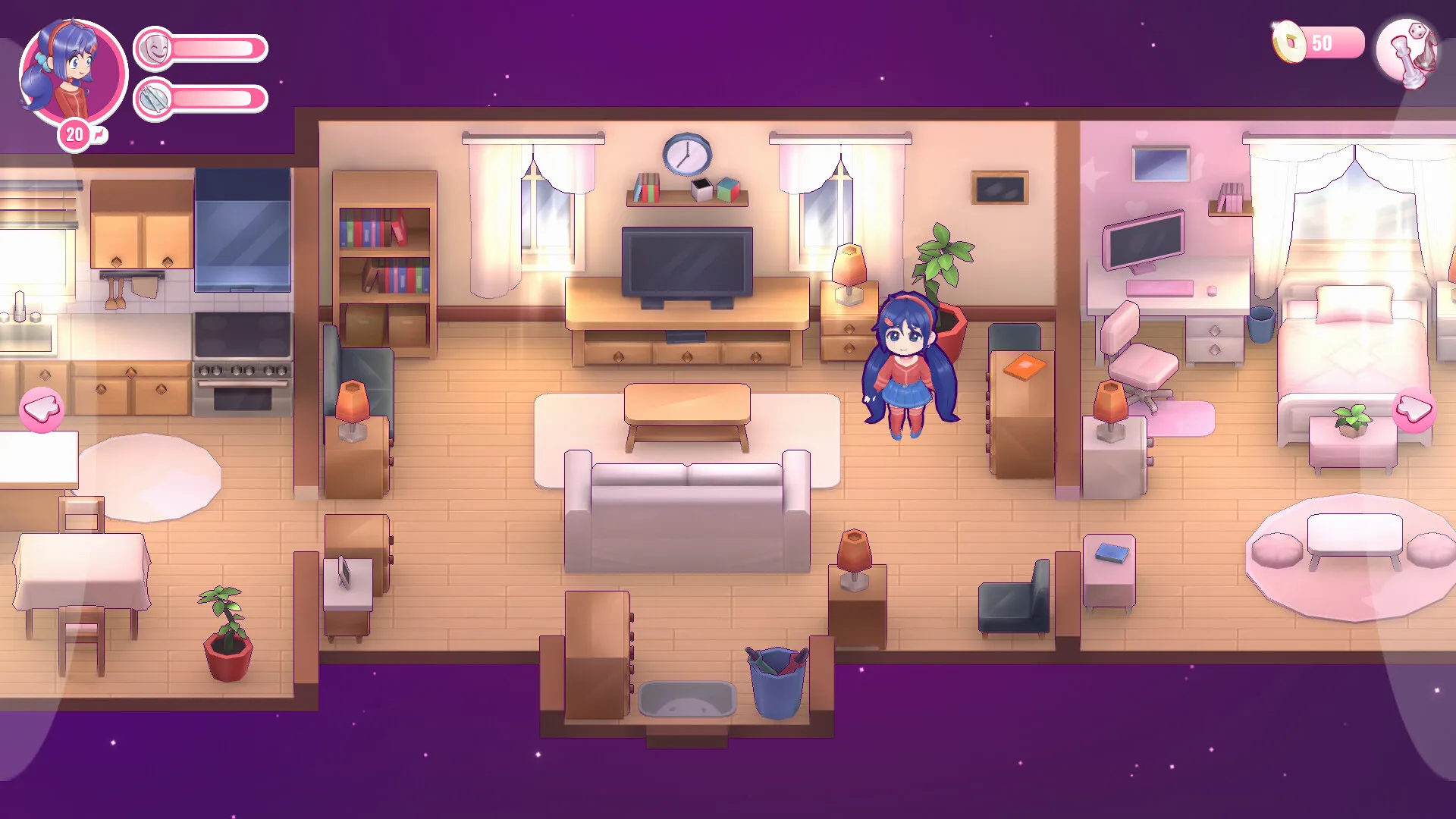
The early portion of MiSide is deceptively calm. This is where players should focus on learning interaction rules, movement, and environmental cues.
Take your time to explore rooms, read dialogue carefully, and interact with objects even if they seem insignificant. Early details often gain meaning later in the story.
H3 Early Game Priorities
- Interact with everything at least once
- Pay attention to dialogue tone changes
- Observe background details
H4 Common Beginner Mistakes
Rushing dialogue or skipping exploration can cause players to miss emotional context and subtle foreshadowing.
H2 3. Exploration Mechanics and Environmental Storytelling
MiSide relies heavily on environmental storytelling. Objects, room layouts, lighting changes, and even sound design contribute to the narrative.
Players should treat each area as a story fragment rather than just a location. Revisited spaces often change in small but meaningful ways.
H3 Exploration Tips
- Revisit rooms after story events
- Notice changes in lighting or object placement
- Listen carefully to ambient sounds
H4 Reading the Environment
Environmental shifts often reflect emotional or narrative changes rather than gameplay progression.
H2 4. Puzzle Design and Logical Thinking
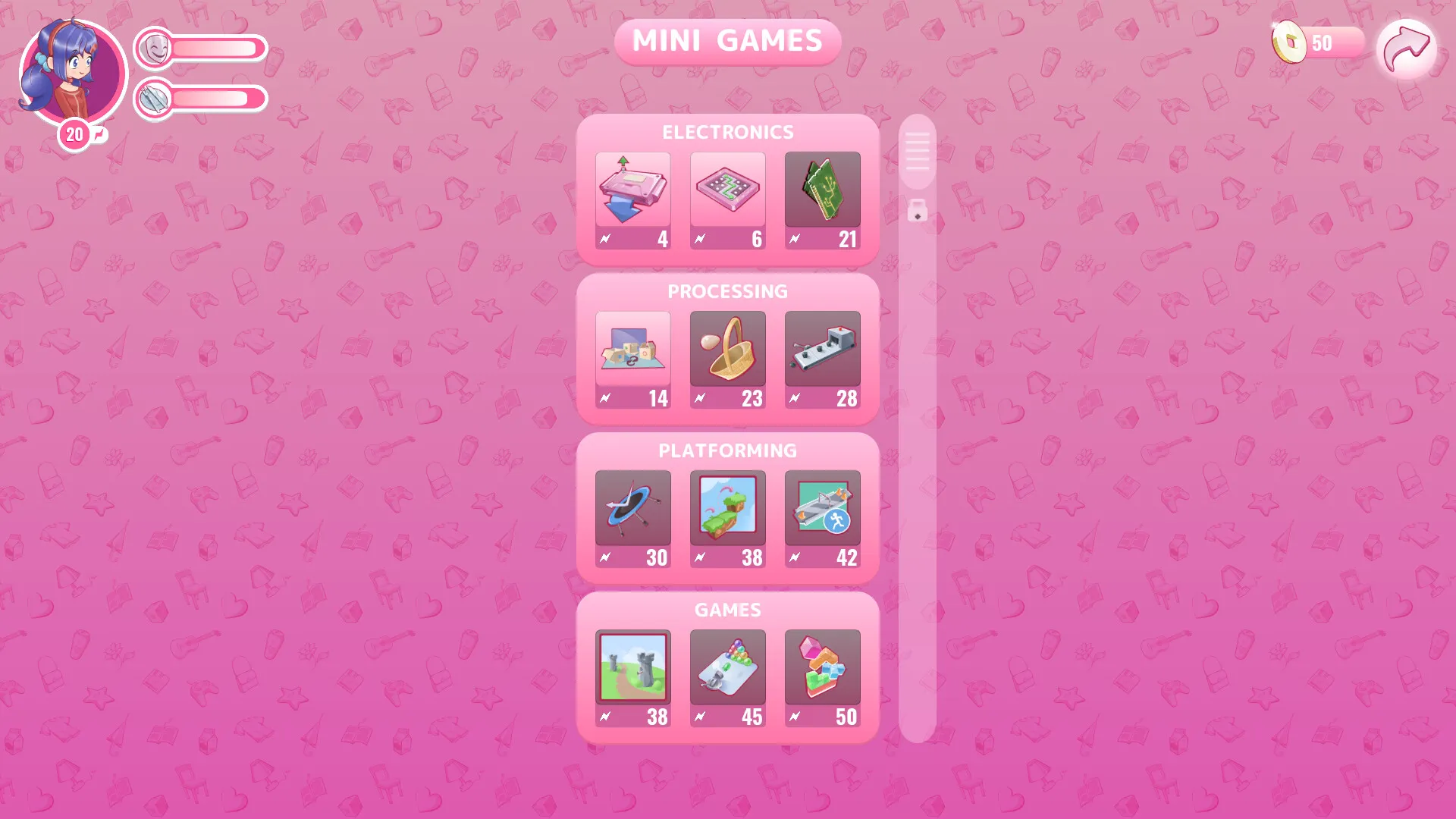
Puzzles in MiSide are rarely complex mechanically, but they often require emotional or narrative understanding rather than pure logic.
Instead of searching for conventional puzzle rules, consider what the game is trying to communicate. Many puzzles are metaphors for control, repetition, or dependence.
H3 Puzzle-Solving Strategies
- Look for narrative clues, not just visual ones
- Experiment without fear of failure
- Think symbolically
H4 Avoiding Frustration
If a puzzle feels unclear, step back and re-evaluate the story context instead of forcing solutions.
H2 5. Character Interaction and Dialogue Choices
Characters in MiSide are central to the experience. Dialogue choices may seem harmless, but they shape tone, pacing, and emotional impact.
Not all choices have immediate consequences, but they often influence how scenes are framed and perceived.
H3 Dialogue Tips
- Read slowly and carefully
- Notice repeated phrases
- Pay attention to emotional shifts
H4 Choice Awareness
Some dialogue options reinforce comfort, while others introduce discomfort—both are valid paths.
H2 6. Horror Elements and How to Handle Them
MiSide’s horror is psychological rather than mechanical. Fear often comes from anticipation, repetition, and loss of control.
Instead of reacting with panic, players benefit from staying calm and observing patterns. Many “threats” are narrative devices rather than gameplay punishments.
H3 Managing Fear
- Lower volume if tension becomes overwhelming
- Take breaks during intense sections
- Remember that observation is power
H4 Understanding Horror Design
MiSide wants you to feel watched, not chased.
H2 7. Mid-Game Shifts and Expectation Subversion
The mid-game is where MiSide begins actively challenging player assumptions. Gameplay rules may change, and familiar mechanics may behave differently.
This is intentional. The game uses subversion to reinforce themes of control, obsession, and instability.
H3 Mid-Game Survival Tips
- Expect inconsistency
- Trust your observations
- Let go of rigid expectations
H4 Adapting to Change
Flexibility is more important than mastery during this phase.
H2 8. Hidden Details, Secrets, and Optional Content
MiSide contains subtle secrets that reward attentive players. These include hidden dialogue, visual anomalies, and optional interactions.
While none are strictly required to finish the game, they greatly deepen understanding of the narrative.
H3 How to Find Secrets
- Interact repeatedly with key objects
- Revisit earlier areas
- Notice patterns in text or visuals
H4 Are Secrets Necessary?
They are not mandatory, but they enrich the emotional experience significantly.

H2 9. Late-Game Interpretation and Emotional Themes
The late game of MiSide is more about interpretation than mechanics. The story becomes abstract, emotional, and symbolic.
Players are encouraged to reflect on themes such as dependency, idealization, isolation, and control. There is no single “correct” interpretation.
H3 Key Themes to Reflect On
- Player agency
- Artificial affection
- Repetition and comfort
- Emotional manipulation
H4 Personal Meaning
Your experience with MiSide is shaped by how you emotionally engage with it.
H2 10. Replay Value, Endings, and Lasting Impact
MiSide gains value through replaying. A second playthrough often feels entirely different, as early moments take on new meaning.
Understanding the full narrative often requires reflection rather than completion alone.
H3 Replay Tips
- Try different dialogue tones
- Explore more thoroughly
- Notice foreshadowing
H4 Lasting Impression
MiSide is designed to linger in your thoughts long after the credits roll.
Conclusion
MiSide is a deeply personal and psychological experience that challenges traditional game design and player expectations. Rather than testing reflexes or logic alone, it asks players to observe, reflect, and emotionally engage with its world. By taking time to explore, paying attention to subtle details, approaching puzzles symbolically, and embracing uncertainty, players can uncover the full depth of MiSide’s narrative and themes.
True mastery of MiSide is not about avoiding fear, but understanding it. With the tips and guides in this article, you are better prepared to navigate its unsettling beauty, uncover hidden meaning, and experience the game as it was intended—slowly, thoughtfully, and emotionally.