.webp)
Bear and Breakfast Tips & Guide: Complete Beginner to Advanced Strategy

Bear and Breakfast is a cozy management adventure where you play as Hank, a bear who discovers an abandoned building and turns it into a welcoming bed-and-breakfast. As you explore the forest, restore neglected properties, welcome guests, and expand your hospitality business, you gradually transform forgotten locations into comfortable places for travelers to stay.
Although the game has a relaxed atmosphere, running a successful bed-and-breakfast requires careful planning. You need to balance guest satisfaction, room quality, resource gathering, crafting, and money management. Every new property introduces additional responsibilities, and poor planning can make renovations more expensive or daily operations more complicated than necessary.
This Bear and Breakfast tips and guide covers the essential mechanics, from your first property to managing multiple locations. Whether you are just starting your journey or looking to improve your existing business, these strategies will help you build attractive accommodations, satisfy guests, and progress through the game efficiently.
1. Understand the Core Gameplay Loop
The main gameplay loop in Bear and Breakfast revolves around exploring the world, collecting resources, renovating buildings, and managing guest accommodations. You begin with a single property and gradually unlock additional locations by completing quests and meeting specific requirements. Each building becomes a new opportunity to expand your hospitality business.
Before investing heavily in a property, understand what it needs to become operational. Some buildings require extensive cleaning, repairs, furniture, and decorations before they can accommodate guests. Others may need fewer improvements but still require careful room planning to meet guest expectations.
A productive gameplay cycle usually follows this sequence:
- Explore nearby areas and collect available resources.
- Complete quests that unlock new properties and useful features.
- Gather materials and renovate buildings.
- Design rooms that satisfy guest requirements.
- Open the property and monitor guest satisfaction.
- Earn money and reinvest it in improvements.
- Expand into additional locations when your current business is stable.
Prioritize Progression Before Expanding
It can be tempting to unlock every available building as quickly as possible. However, opening too many properties before understanding their requirements can stretch your resources and make management unnecessarily difficult.
Focus on completing the main objectives and establishing a reliable income source first. A well-maintained property with satisfied guests is more useful than several unfinished buildings that consume resources without generating revenue.
Learn How Each Property Works
Every location has its own layout, available space, and renovation requirements. Some buildings are better suited to compact room arrangements, while others provide more flexibility for larger accommodations and additional facilities.
Take time to inspect the building before committing to a major renovation. Understanding its strengths and limitations will help you avoid unnecessary construction and make better decisions as your business grows.
2. Gather Resources Efficiently
Resource gathering is an essential part of Bear and Breakfast. Wood, stone, metal, and other materials are needed to construct furniture, repair buildings, and complete crafting recipes. Many of these resources are scattered throughout the world, so exploration plays a major role in your ability to expand.
Whenever you enter a new area, explore the surrounding paths and collect accessible materials. Gathering resources during an exploration trip is more efficient than repeatedly returning to the same location for a single missing item.
Pay attention to the materials required for upcoming construction projects. If you know which furniture or building improvements you want to craft, you can collect the necessary resources in advance and reduce interruptions during renovation.
Keep Track of Important Materials
Different crafting recipes require different combinations of resources. Some materials are easy to find, while others may be limited to specific locations or require additional progression before becoming accessible.
Before beginning a large renovation, check the materials needed for the furniture and facilities you intend to build. This simple habit prevents you from spending time collecting resources that are not immediately useful.
Useful resource management habits include:
- Collecting materials while traveling between quest locations.
- Checking crafting recipes before gathering large quantities.
- Keeping a reserve of common construction materials.
- Prioritizing scarce resources for essential furniture.
- Returning to resource-rich areas when supplies become low.
Avoid Unnecessary Backtracking
The world contains multiple regions, and traveling between them can consume valuable time. Plan your exploration around nearby objectives so that each trip accomplishes several tasks.
For example, if you need materials for a renovation and a quest requires visiting the same area, complete both activities during one journey. Efficient routing helps you maintain progress without spending excessive time revisiting familiar locations.
3. Plan Your Rooms and Building Layout
Room design directly affects the quality of your accommodations. Guests evaluate properties based on several factors, including room size, furniture, cleanliness, and available facilities. A thoughtfully arranged building can satisfy requirements without wasting valuable space.
Start by identifying the purpose of each room. Bedrooms need the appropriate sleeping furniture, while bathrooms and other facilities must meet their specific functional requirements. Shared spaces can provide additional comfort, but they should not interfere with the essential layout.
Avoid placing furniture randomly just to fill empty space. Every item should contribute to the room's purpose or improve its overall quality. A compact, functional room is often more practical than a large room filled with unnecessary decorations.
Design Around Guest Requirements
Different guests may request particular room qualities, furniture, or amenities. Check the requirements associated with your intended customers before deciding how to arrange a property.
A room that looks attractive may still disappoint guests if it lacks a required facility. Make sure essential items are available before spending resources on optional decorations.
When planning a room, consider:
- Whether the room has enough space for its required furniture.
- Whether guests can access the facilities they need.
- Whether the room meets the desired comfort and quality standards.
- Whether decorations improve the room without creating clutter.
- Whether the layout leaves enough room for future upgrades.
Use Space Efficiently
Building space is limited, especially in smaller properties. Place essential furniture first, then use the remaining area for additional amenities and decorations.
If a room feels crowded, reconsider the arrangement before expanding it. Moving a few pieces of furniture can improve the layout without requiring a costly renovation.
As you unlock better furniture, you may be able to improve room quality while using the same footprint. This makes upgrading existing rooms a practical alternative to constantly adding new ones.
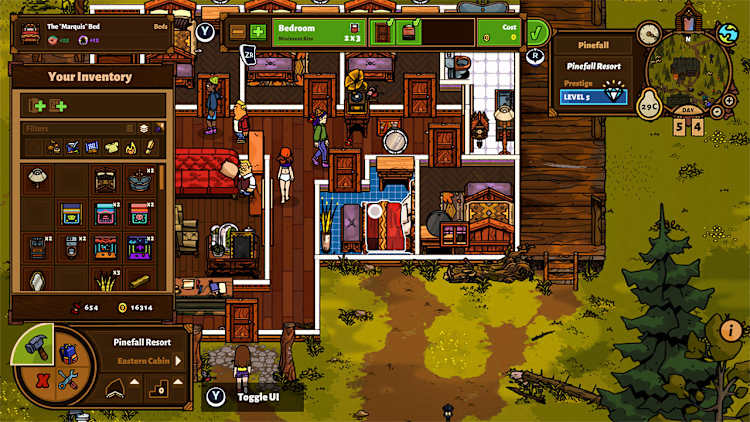
4. Improve Guest Satisfaction and Room Quality
Guest satisfaction is one of the most important factors in maintaining a successful bed-and-breakfast. Visitors expect accommodations that match their preferences, and the quality of their experience influences how effectively your property serves its purpose.
Room quality is shaped by several elements, including furniture, comfort, cleanliness, and the presence of required facilities. The exact expectations depend on the guest and the property, so reviewing requirements before accepting visitors is essential.
A reliable strategy is to focus on the basic needs of guests first. Ensure that sleeping arrangements and necessary facilities are available, then improve comfort and aesthetics as resources allow.
Match Amenities to Guest Expectations
Different guests have different preferences. Some may value comfort and decoration, while others place greater importance on practical amenities. Meeting the specific expectations of visitors is more effective than investing in upgrades without a clear purpose.
Before opening a property, check whether its rooms satisfy the requirements of the guests you intend to attract. If a guest expects a particular feature, prioritize that feature instead of spending resources on unrelated improvements.
Maintain a Consistent Standard
A property with several well-equipped rooms can provide a more dependable guest experience than one with a mixture of excellent and poorly maintained accommodations.
Try to maintain a consistent standard across the rooms you actively use. This does not mean every room must be identical, but each should fulfill its intended purpose and provide the amenities necessary for comfortable stays.
When you notice recurring guest complaints, treat them as useful feedback. Identify the missing feature or quality issue and address it before investing in additional decorative upgrades.
5. Manage Money and Control Renovation Costs
Money is essential for expanding your hospitality business. You need it to purchase certain items, access services, and support the development of your properties. Although earning income is important, controlling expenses is equally valuable.
The biggest financial mistake beginners can make is spending too much on optional improvements before establishing a dependable business. Decorative furniture and ambitious renovations may look appealing, but they can delay the completion of essential rooms.
Before beginning a project, estimate the resources and money needed to finish it. Try to avoid starting several expensive renovations simultaneously unless you already have enough supplies to complete them.
Invest in Essential Improvements First
Prioritize upgrades that directly help a property operate successfully. Functional bedrooms, required facilities, and furniture that improves guest satisfaction should generally come before purely decorative additions.
Once a property is operating smoothly, you can use its earnings to improve comfort and appearance. This approach helps prevent financial pressure from slowing down your overall progression.
Maintain a Financial Reserve
Keep some money available for upcoming projects rather than spending every coin as soon as you earn it. A reserve gives you more flexibility when a new quest or property requires additional investment.
A simple spending priority is:
- Essential furniture and building repairs.
- Required facilities and guest amenities.
- Improvements that address guest satisfaction.
- Upgrades that increase comfort or room quality.
- Optional decorations and aesthetic changes.
This order is a general planning guideline rather than a strict rule. If a particular quest or property requires a different investment, adjust your spending accordingly.
6. Complete Quests and Unlock New Areas
Quests are a major source of progression in Bear and Breakfast. They introduce new characters, reveal additional locations, and unlock opportunities to expand your business. Completing objectives also helps you understand the world and its systems.
Main quests often guide you toward the next major stage of development, while side quests provide additional activities and rewards. Keeping track of active objectives helps you decide which areas to explore and which materials to collect.
When a quest requires a specific item or renovation, review the objective carefully before making a long trip. You may be able to complete several requirements at once by gathering materials, speaking with characters, and exploring nearby locations during the same visit.
Balance Main Quests and Side Activities
Main quests are useful for unlocking new features and locations, so they should remain a priority when you are trying to progress. However, side activities can provide helpful rewards and introduce useful characters.
Complete nearby side quests when they fit naturally into your current route. If an optional objective requires extensive travel or expensive crafting, consider postponing it until your main property is stable.
Explore Newly Unlocked Regions Thoroughly
New areas may contain resources, characters, abandoned buildings, and quest opportunities. Explore accessible paths instead of heading directly toward a single objective.
Pay attention to signs, environmental details, and interactive objects. These can help you discover useful resources or uncover additional activities that support your business.
As you unlock more of the map, revisit your earlier plans. Newly available resources or crafting options may make previously difficult renovations easier to complete.
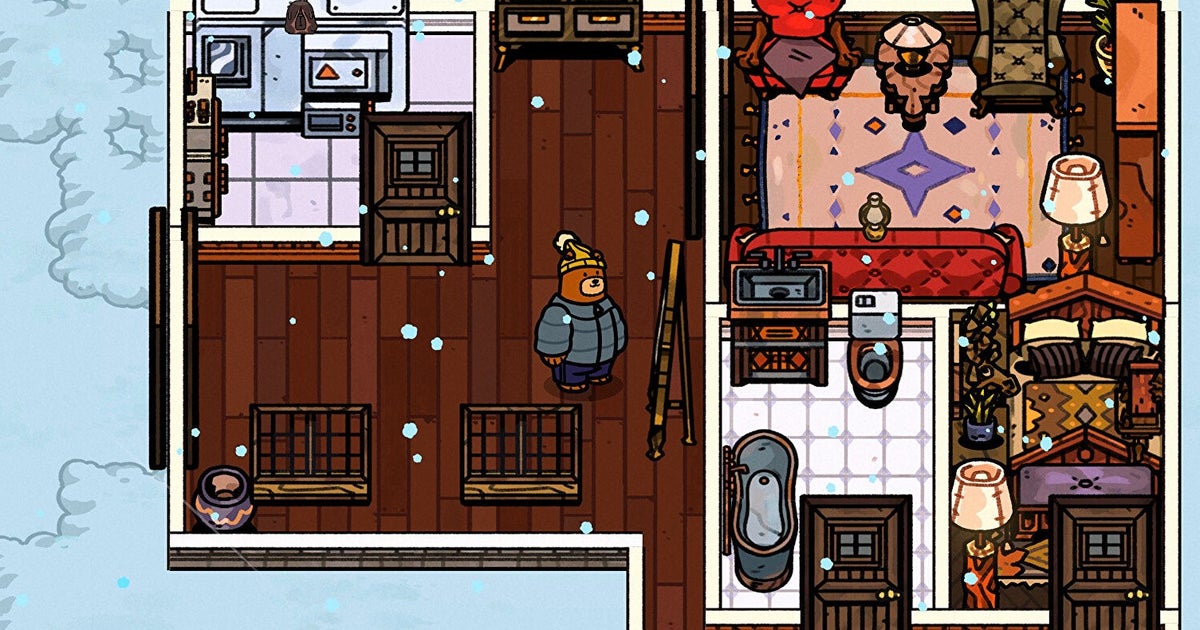
7. Craft Furniture and Upgrade Your Facilities
Crafting allows you to transform gathered materials into furniture and other useful items. It is one of the main ways to improve room quality and turn abandoned buildings into functioning accommodations.
Different pieces of furniture serve different purposes. Beds provide sleeping arrangements, while other items improve comfort, fulfill guest requirements, or contribute to the overall quality of a room.
Before crafting an item, check its recipe and intended use. This helps you avoid spending valuable materials on furniture that does not fit your current renovation plan.
Prioritize Furniture That Solves Problems
When a room lacks an essential item, craft that item before considering decorative upgrades. A missing bed or required facility can prevent a room from functioning properly, while a decorative object may provide only a modest improvement.
As better furniture becomes available, compare its benefits with the cost of producing it. An upgrade is most useful when it addresses a specific weakness or improves the room enough to justify the investment.
Upgrade Gradually
You do not need to replace every piece of furniture immediately whenever a new crafting option becomes available. Some rooms may already satisfy their intended guests, making a complete renovation unnecessary.
Instead, upgrade the rooms that would benefit most. This might mean improving a frequently used bedroom, replacing low-quality furniture, or adding an amenity that several guests require.
Gradual upgrades help you preserve resources for other properties while maintaining a consistent level of comfort.
8. Explore the World and Make Use of Characters
Exploration is more than a way to collect materials. Bear and Breakfast features a variety of characters, locations, and environmental discoveries that help reveal the story and unlock new opportunities.
Speaking with characters can introduce quests, provide information, and help you understand what is happening in each region. Some interactions are directly connected to progression, while others add context to the world and its inhabitants.
Whenever you arrive in a new area, take time to look around and interact with available characters. Completing conversations and checking for new objectives can prevent you from overlooking important progression opportunities.
Pay Attention to Environmental Clues
Abandoned structures, blocked paths, unusual objects, and resource deposits can indicate areas worth investigating. Exploring these details may reveal materials or objectives that are not immediately obvious.
If you encounter a location that cannot be accessed yet, make a note of it and continue with other activities. Some areas become available only after completing certain quests or reaching a particular stage of progression.
Organize Travel Around Multiple Objectives
Long trips become more efficient when you combine several tasks. If you need to visit a region for a quest, collect resources and explore nearby locations during the same journey.
Before leaving a property, review your active objectives and identify anything that can be completed along the way. This simple habit reduces repeated travel and makes exploration more productive.
9. Develop a Daily Routine for Managing Multiple Properties
As your business expands, managing several properties becomes more complicated. You must keep track of different buildings, guest needs, renovation projects, and available resources. Without a routine, it is easy to lose track of priorities.
Start by identifying which properties are currently active and which still need development. Focus on the buildings that generate income or require immediate attention before spending time on unfinished projects.
A consistent routine makes it easier to balance exploration, construction, and guest management. It also helps you recognize which properties are worth upgrading and which can remain unchanged for the time being.
Follow a Repeatable Management Checklist
A simple checklist can keep your business organized:
- Review the status of each active property.
- Check guest requirements and room quality.
- Identify unfinished repairs or missing furniture.
- Gather materials for the next renovation.
- Complete nearby quests and exploration objectives.
- Reinvest available money in useful improvements.
- Review which property should receive attention next.
This routine is flexible and can be adjusted as your business grows.
Avoid Expanding Faster Than You Can Manage
Opening additional properties increases the number of rooms and facilities you need to maintain. If you expand too quickly, you may find yourself short on materials or unable to finish renovations efficiently.
Try to establish a reliable foundation at each new property before moving on to the next major project. A smaller number of well-developed buildings can be easier to manage than a collection of unfinished locations.
As you become more familiar with the game's systems, you can gradually increase the number of properties you operate and refine your management routine.
10. Prepare for Late-Game Progression and Long-Term Efficiency
Late-game progression in Bear and Breakfast involves managing a larger hospitality business while continuing to explore, complete quests, and improve accommodations. By this stage, you should have a better understanding of guest expectations, crafting recipes, resource availability, and property management.
The main challenge is deciding where to invest your time and resources. Not every building needs the same level of attention, and not every available upgrade provides an immediate benefit.
Review your existing properties before committing to another major project. Identify rooms that still need essential improvements, properties that are already functioning well, and renovations that can wait until more resources become available.
Focus on High-Impact Improvements
Late-game efficiency comes from recognizing which upgrades provide meaningful benefits. A room that consistently falls short of guest expectations may deserve attention before a property that already meets its intended requirements.
Look for recurring problems and address their underlying causes. If several rooms lack the same type of furniture or facility, consider whether a shared renovation plan can solve those issues more efficiently.
Avoid spending large amounts on cosmetic improvements unless appearance is an important part of your current goal. Functional upgrades generally provide a clearer benefit when resources are limited.
Set Long-Term Goals for Your Business
A useful long-term plan might involve completing unfinished properties, improving room quality, collecting remaining resources, or finishing optional quests.
Choose a few goals at a time instead of trying to complete everything simultaneously. This creates a clear direction and helps you measure progress without making the game feel unnecessarily complicated.
Once your properties are functioning smoothly, you can focus on personal objectives such as completing additional quests, exploring remaining areas, or refining the design of your favorite accommodations.
Conclusion
Bear and Breakfast combines cozy exploration with thoughtful hospitality management. Building a successful bed-and-breakfast requires more than placing furniture and welcoming guests. You need to gather resources, plan efficient layouts, manage renovation costs, complete quests, and maintain accommodations that satisfy visitors.
The most effective approach is to establish a reliable foundation before expanding too quickly. Focus on essential furniture, understand guest requirements, collect materials during exploration, and invest money in improvements that solve real problems. As you unlock new areas and properties, a consistent management routine will help you stay organized.
Whether you are renovating your first building or managing several accommodations, patience and planning make the experience more rewarding. With a clear progression strategy and careful resource management, you can transform abandoned structures into welcoming destinations and build a thriving hospitality business throughout the forest.
Description (160 characters): Learn essential Bear and Breakfast tips for resource gathering, room design, guest satisfaction, crafting, money management, and efficient property expansion.